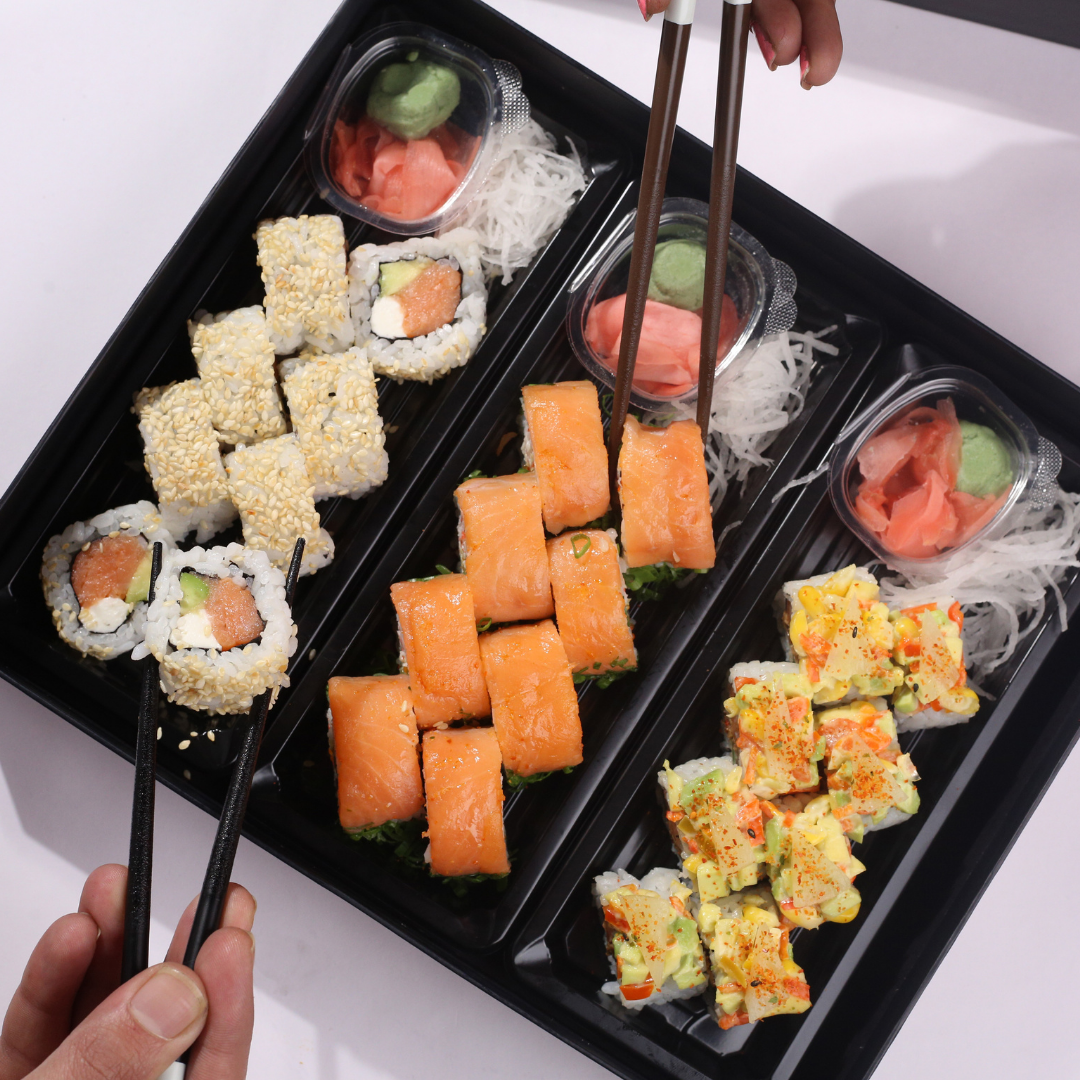


Sushi has become increasingly popular worldwide, celebrated not only for its delicious taste but also for its often-touted health benefits. However, many people still wonder, "Is sushi healthy?" This blog post aims to answer that question by diving into the nutritional aspects of sushi and addressing who might benefit the most from including sushi in their diet. Let's explore some frequently asked questions to provide a clearer picture.
Is Sushi Healthy?
Sushi can be a healthy option for many people when consumed in moderation and chosen wisely. Traditional sushi primarily consists of staples like rice, seafood, vegetables, and seaweed. These ingredients provide a host of nutrients like protein, vitamins, and omega-3 fatty acids. However, it's essential to make mindful choices as some sushi options can be high in sodium and unhealthy fats due to added sauces and fried components.
What Nutrients Does Sushi Provide?
Sushi provides a variety of nutrients depending on the ingredients. Here are a few common ingredients and their benefits:
- Fish (such as tuna or salmon): High in protein and omega-3 fatty acids, which are beneficial for heart health.
- Seaweed: Contains fiber, vitamins, and minerals.
- Avocado: A great source of healthy fats.
- Vegetables: Offer vitamins, fiber, and antioxidants.
Recommended Sushi Products
If you're looking to enjoy sushi while keeping an eye on health, consider trying some of these products from Sushi Junction:
- Tuna Maki: A classic choice rich in protein and omega-3s.
- Fresh Salmon Sashimi: Sashimi offers the benefits of fish without extra rice, contributing to a lower-carb meal.
- Avocado Nigiri: Combining avocado's healthy fats with the simplicity of nigiri for a nutritious bite.
- California Veg: Perfect for those looking for a vegetarian option that still provides essential nutrients and flavors.
Are There Any Concerns with Eating Sushi?
While sushi can be part of a healthy diet, there are a few considerations to keep in mind:
- Mercury Content: Some fish, like tuna, can be high in mercury. It's advisable to limit the consumption of high-mercury fish, especially for pregnant individuals.
- Sodium Levels: Sushi with sauces or pickled ingredients can be high in sodium. Opt for low-sodium soy sauce or consume these items sparingly.
- Raw Fish Risks: Consuming raw fish poses a risk of foodborne illnesses. Ensure that sushi is prepared by reputable restaurants following proper safety standards.
Conclusion
So, is sushi healthy? It can be, depending on your choices and dietary needs. By selecting healthier options, you can enjoy the delightful flavors of sushi without compromising your health goals. Visit Sushi Junction to explore a range of sushi offerings that suit your taste and nutritional preferences.
Remember to consult with a healthcare professional or nutritionist if you have specific dietary concerns or restrictions.